Dog Coat Materials Compared: Leather, Wool and Modern Fabrics

If you are a dog parent, and you choose your dog coats by its warmth, we have something to share. Warmth is only a part of the equation. Once your dog starts moving, walking, caught in the rain or maybe suddenly steps outdoors from the warm heated rooms. That coats might not be as comfy and warm any more. The properties of textile materials greatly impact how comfortable they will be.
Wool keeps warm by still letting water escape through the fibers. Leather is strong and offers good support, and modern fabrics are often engineered so that they protect from the rain, yet still keep your dog dry and comfortable. Good dog coat materials should not restrict the dog's movements, manage the dog's body temperature and be durable. That means, a good comparison will be not just which fabric feels warmer but which fabric is the best choice under different circumstances.
Leather, Wool and Modern Fabrics: Key Differences
Leather, wool and modern technical fabrics behave very differently.
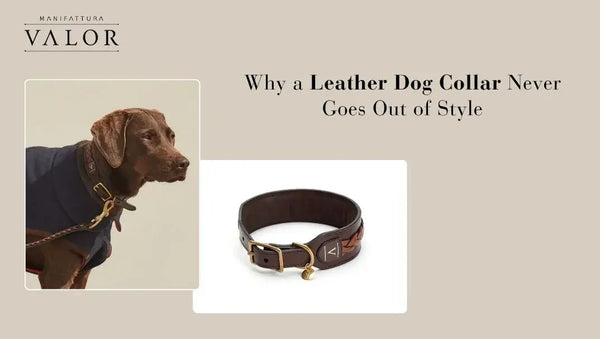
A leather dog coat is not just fashionable but also functional, offering an excellent blend of protection from the elements. Through regular use, naturally tanned leather will not only soften but will get more resistant to tears and will become unique through patina development. The downside of leather is that it is heavy and not waterproof by its nature; that is why care has to be given not only to the leather's treatment but also the overall construction of the coat.
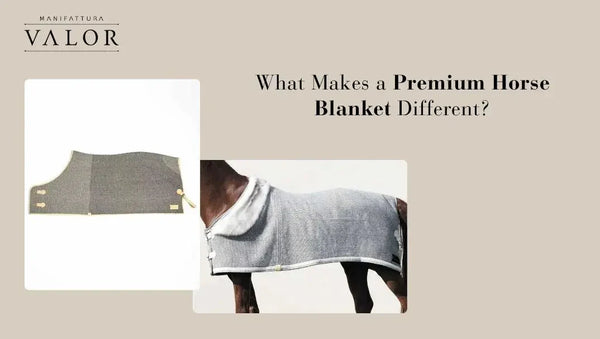
A wool dog coat works differently. Wool fibres by nature contain air and offer protection against temperature and humidity fluctuations. Manifattura VALOR uses pure raw wool only since it offers natural insulation, breathing and temperature regulation
Synthetics today yet provide a level of function which can be tailored to low weight stretch wind resistance, and waterproofing. Their advantage is in consistency and technical control. The important question is whether those properties are appropriate for the dog's activity and the conditions rather than whether the fabric is simply described as technical.
Warmth and Insulation Across Different Dog Coat Materials
Warmth does not come simply from a thick surface. It depends on how effectively a material holds air and manages the transition between activity and rest.
Wool is an excellent fabric because its fibres are capable of keeping us warm without blocking off the flow of air through it. Per the International Wool Textile Organisation, one of wool's best qualities is its ability to absorb and release moisture vapour, so acting as a sort of temperature regulator rather than just a barrier against the cold.
This makes wool useful for warm dog coats intended for dry, cold conditions. A wool coat for dogs can provide insulation without relying on a completely impermeable surface.
The dog's own coat remains part of this equation. A natural hair coat already provides insulation by trapping air, and the effectiveness of that insulation depends partly on keeping the hair dry.
Breathability and Moisture Management for Active Dogs
A coat that prevents rain from entering but traps perspiration underneath can create a different problem.
During movement, a dog generates heat quickly. If it doesn't provide body protection through external means, the garment will at the very least need to allow heat and moisture transfer in the right amounts. Wool has a competitive edge as its natural fibers do not treat moisture vapour as a problem, i.e. they do not act like an impermeable barrier.
Wet, cold environments necessitate a good outer layer, too.
Some modern textiles are specifically engineered as waterproof dog coat materials, making them practical when rain and wind are the main concerns.
A dog coat for rainy weather therefore needs more than insulation. Water resistance, seam construction, coverage and drying behaviour all matter.
Durability and Everyday Performance of Each Material
Durability is not simply a question of which material lasts longest. It is also about how the material changes through repeated use.
Well-treated leather will actually soften and be more unique with time, if it gets proper care. Wool however is a natural fiber and gets affected by moisture, heat and improper cleaning, though it still can be a functional garment for very long times. As a special note, Manifattura VALOR recommends you keep your wool coats in a dry place with good air circulation and separately follow leather items care instructions. This helps avoid any kind of damage or degradation.
This is where construction becomes significant. Strong attachment points, clean finishing and carefully considered seams reduce unnecessary stress on the material.
The result is not merely durable dog coats, but garments whose materials continue to behave predictably after repeated use.
Weight, Flexibility and Freedom of Movement
A dog coat should follow movement rather than fight against it.
Excess weight can become noticeable around the shoulders, chest and back, particularly during running or climbing. Stiff materials can create resistance at points where the dog's body repeatedly bends. Conversely, a very soft fabric without sufficient structure may shift during movement.
The balance lies in selecting material density according to purpose and then designing the garment around the dog's anatomy. This principle is familiar in equestrian equipment, where pressure distribution and freedom of movement are inseparable from material choice.
Which Dog Coat Material Suits Different Weather Conditions?
There is no single best material for dog coats in every environment.
For dry cold, wool is particularly useful where insulation and breathability are priorities. Dog coats for winter can benefit from dense wool fabrics that retain warmth while allowing some moisture movement.
For persistent rain, a technically engineered outer fabric may be more appropriate when waterproof protection is the primary requirement. Leather is suitable for areas where you expect to have abrasions and need support. Still, you will be required to be more cautious about its use when it is frequently wet.
Also, the size, kind of coat, level of activity, and the time spent outside by the dog will probably make up the final decision. A short-haired dog sleeping outside would require different shelter from that of a heavily coated working dog who never stops moving.
Choosing the Right Material for Your Dog's Lifestyle
The right material should follow the dog's routine rather than a generic weather label.
Consider:
-
Activity: A highly active dog needs flexibility and effective heat management.
-
Climate: Cold and dry conditions call for different properties than persistent rain.
-
Coat type: Dogs with substantial natural insulation may need less additional warmth.
-
Fit: Chest, shoulder and back areas should remain free from unnecessary restriction.
-
Maintenance: Natural materials reward correct care and can change character through use.
This is also why natural material dog coats remain relevant despite the availability of increasingly sophisticated synthetic textiles. Material integrity can offer a different form of performance, particularly when fibre properties, construction and fit are considered together.
For buyers comparing premium dog coats, the useful distinction is not the label itself but what sits behind it: the origin and behaviour of the material, the quality of construction, the anatomical cut, and how the garment is expected to age.
A well-considered dog coat fabric should work with the dog's movement and environment rather than simply add another layer. Wool, leather and modern textiles each have legitimate strengths. The more useful question is not which material is universally superior, but which one maintains the right balance of insulation, breathability, resilience, flexibility and weather protection for the dog's actual life.
At Manifattura VALOR, this material-first approach extends from equestrian equipment to products for dogs: natural fibres are selected for their inherent behaviour, while construction and hand-finishing determine how those materials perform in use.