Horse Care Accessories for Grooming, Comfort and Stable Care

It’s a wet Tuesday evening and you’ve got forty minutes of daylight left. The rug has slipped sideways, there’s dried sweat crusted under the girth, and the hoof pick has vanished again. None of it is serious, but by the time you’ve sorted it all out, the ride has shrunk to a few laps of the school. A thoughtful, systematic range of horse care accessories yields this time back.
The essential horse care accessories you need to carry whenever you come to work with horses in any weather: brushes, hoof pick, sweat scraper, head collar with a lead rope, and different seasonal rugs. They have three functions only.
Some keep the coat and feet clean enough to inspect properly. Some manage temperature, pressure and rubbing. The rest deal with feed, water and bedding.
Nobody’s list looks quite the same. A competition horse that is clipped and stabled at night would require different requirements than a horse care essentials that is hardy and living outside, so one should begin with determining the particular activities of the horse during a given week.
Horse Grooming Accessories for Everyday Coat Care
Horse care accessories work best when they are used properly. A rubber curry removes dried dirt and loosens dirt that is stuck on the surface, the dandy brushes sweep the dirt away from the body of the horse, and lastly, the soft finishing brushes pick up the fine dirt without injury to the coat.
Look at your body brush now and then. If the bristles have splayed or folded flat, they’re no longer reaching the skin. By providing each horse with its own horse grooming kit in a sealed box, the need for shared brushes, which are responsible for spreading rain scald and ringworm, is minimized. Also, it is important to include a mane comb and wash brushes periodically using mild soap and water.
Cleaning the horse’s hooves before and after riding is important; so it is best to start cleaning the hooves from heel to toe at least once during each ride.
After work, use the sweat scraper on a warm horse, following the lie of the coat, so damp patches don’t sit under a rug and chafe.
Accessories That Support Horse Comfort and Well-Being
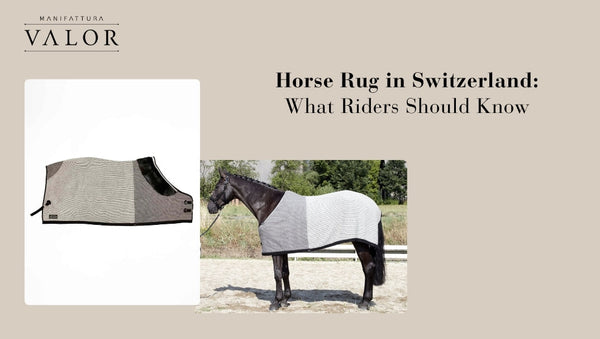
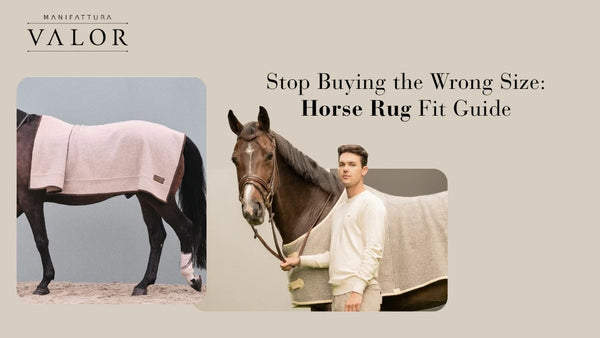
Horse comfort accessories focus on three aspects: pressure, temperature and friction. The ideal rug will allow the shoulder to move freely and sit away from the withers. You should examine the shoulders and chest area after a few days of use to see if there are any signs of rubbing and also select the rug appropriate for your horse's work and the weather, not just the season.
Where the friction occurs, both the girth and the saddle pads are positioned. Wool is best in absorbing moisture and returning to its original shape when water is removed while synthetic fabrics dry more quickly after a ride. As soon as you are done riding, you should check for dry marks as well as depending on the dissolved wool under the saddle and girth. Uneven marks sometimes indicate that there is a fit problem that needs fixing. Fly masks protect the eyes and ears in summer. The mesh should sit clear of the eye, snug without pinching, and it’s worth taking the mask off once a day to check the face underneath.
All of these equestrian care accessories support comfort, but none of them can make up for a saddle that doesn’t fit.
Essential Stable Care Accessories for Daily Routines
Horse stable accessories for Everyday Use More generally, one can say that items for keeping a horse stable include buckets for feeding, watering, and hay nets or feeders, as well as mucking out tools. It is best to choose smooth, seamless interiors for buckets, and hang them at a height accessible to your horse without any stretching efforts. Check hay nets for frayed cord, because a worn strand can catch a hoof.
Depending on how much horse stable equipment you have, forks and barrows must be stored out of the horse’s reach, but tines should be down. Washing the buckets weekly prevents the algae and the feed from settling in. Moreover, smooth rubber and plastic make it easy to clean.
Next, you need to turn your attention to the bedding material. Shavings, straw, and paper have various properties like dust, absorbency, and disposal characteristics that will help you make a decision concerning your horse’s bedding material.
How to Choose Horse Care Accessories for Different Needs
The journey begins with understanding the horse: what level of work it does, how its coat looks like, and where it is kept. For example, you need one set of items to dress a well-coated pony and another set of items for a recently clipped sport horse as well as to take care of horses with delicate skin. While shopping for horse care products, it is helpful to have in mind the order of how troubles develop. So, first comes fit, then material and then ease of washing.
If you doubt, purchase one product and use it for couple of weeks before you buy the whole collection. It’s good to explore adjustable straps, buckles and stitches in real conditions. Before making an order check the horse's measurements, since what is considered cob size for one manufacturer might be too small for another.
Why Quality and Material Matter in Horse Care Accessories
Material decides how an item behaves after months of washing and daily knocks. Natural bristle brushes are kinder on fine coats, while synthetic ones wash and dry faster. Leather headcollars need conditioning and regular checks at the stitching and buckles. Nylon ones need watching for fraying and fading.
Premium horse care accessories give themselves away in details you can inspect with your own hands: even stitching, rounded edges, fittings that resist corrosion, and fabric that holds its shape when wet. Good horse grooming equipment has bristles that sit firmly in the block, so they stay in the brush rather than in the coat.
Building a Practical Horse Care Kit for Your Stable
A horse care kit is able to put into operation itself only if all items inside have their rightful place and get checked from time to time. It is advisable to keep tools for everyday use in one single container. Spare headcollars, a first aid kit and spare straps are supposed to be kept together. Horse-care items such as hoof ointment and insect repellent should be kept in designated and sealed containers that are far from sources of heat.
On a monthly basis, the container must be emptied, the brushes washed, the straps and stitches checked, and any items that are worn out must be replaced. Horse care equipment that are checked on a regular basis are less prone to stop working unexpectedly during a ride.
This week, lay out everything you own and sort it into grooming, comfort and stable piles. Bin what’s worn, write down what’s missing, and put anything that touches the horse’s skin at the top of the replacement list.