Online Guide to Buying Equestrian Products in Germany

German riding culture does not just take the equipment at face value. Riders observe how a saddle pad relaxes after it has been pressed day after day all winter long, whether the leather drags unused remains firm or gives way, the first time a bridle is put on the horse once he is in work through the back and neck. Little choices of material factors dramatically affect pressure distribution, heat building, free movement, and overall longevity.
That practical awareness shapes the wider Germany equestrian market. Across both professional and private stables, buyers tend to prioritise construction quality, anatomical fit, and material behaviour over seasonal trends. The online market reflects the same mindset. Riders looking to buy equestrian equipment Germany-wide often evaluate products through longevity, maintenance behaviour, and equine comfort rather than visual presentation alone.
Understanding the German Equestrian Market
Germany has one of Europe’s most established equestrian industries, supported by strong dressage, jumping, breeding, and working riding traditions. This creates a market where technical reliability matters. Equipment is expected to withstand repeated use, changing weather conditions, and daily stable routines without losing structural integrity.
That expectation is especially visible in products sitting directly against the horse. Saddle pads, bridles, rugs, and girths are often assessed through:
-
pressure distribution
-
breathability
-
fibre recovery
-
stitching stability
-
flexibility under movement
In this environment, natural materials are still significant because of their physical properties and effects on heat, humidity, and friction. Wool felt, by way of example, compresses more slowly than other materials yet allows for air circulation throughout the fibre. This property of wool felt allows for the regulation of moisture during lengthy periods of riding and aids in reducing concentrated pressure under a saddle.
The same principles increasingly influence riders across Europe searching for equestrian gear Europe suppliers known for material consistency and craftsmanship.
Types of Equestrian Products Available Online
Most platforms selling equestrian products in Germany online organise their collections into horse tack, rider equipment, stable accessories, and textile systems. Understanding how these categories function in practice helps buyers evaluate products more accurately online.
Common categories include:
-
saddle pads and half pads
-
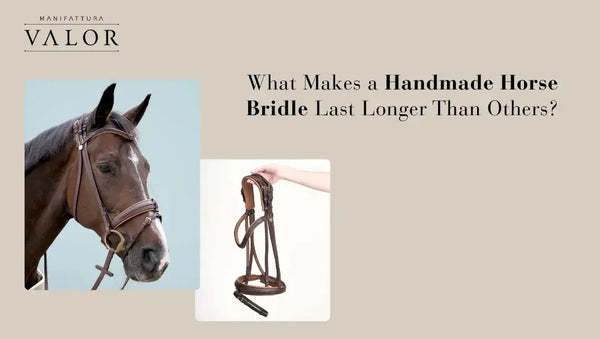
bridles and browbands
-
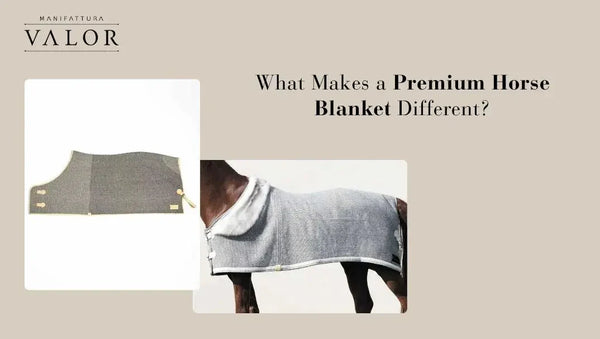
horse rugs and blankets
-
rider apparel
-
grooming and stable equipment
-
leather accessories and hardware systems
Among these, contact equipment deserves the closest attention. Products that sit against the horse influence movement, heat management, and pressure balance continuously during riding.
When evaluating horse tack Germany retailers online, experienced buyers usually look beyond product photography and focus instead on:
-
wool density and resilience
-
seam placement
-
leather finishing
-
hardware weight
-
edge construction
-
flexibility across movement points
These details affect how equipment behaves after repeated use, not only when new.
How to Choose the Right Equestrian Equipment
Fit should always be considered in motion. Tack that appears balanced while the horse is standing can behave differently once movement, rein contact, and saddle pressure begin interacting together.
When selecting horse riding gear Germany riders commonly focus on three practical areas: anatomical fit, material behaviour, and long-term recovery.
Anatomical Fit and Pressure Distribution
Equipment should distribute pressure evenly across the contact surface instead of creating concentrated load points.
P=FAP=\frac{F}{A}P=AF
In practical riding terms, pressure increases when force is concentrated over a smaller area. Saddle pads and bridles designed around anatomical balance help reduce unnecessary tension around the withers, shoulders, poll, and facial nerves.
Cut shape matters as much as padding thickness. A heavily padded product can still create instability if the structure interferes with natural movement or collapses unevenly over time.
Material Behaviour Over Time
Materials change through repeated exposure to sweat, friction, cleaning, and environmental conditions. Good equipment maintains structural consistency rather than softening unevenly or becoming rigid after use.
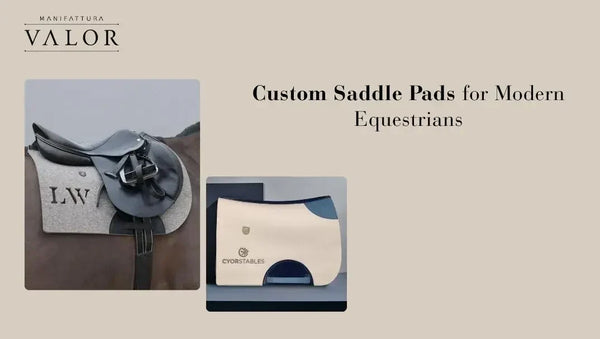
Wool remains widely respected in equestrian products because of its ability to regulate moisture and temperature while recovering gradually after compression. Dense wool felt can absorb pressure without trapping excessive heat against the horse’s back.
As time passes, the properties of a leather item will become more distinct - naturally tanned leathers will attain their flexibility over time; the fibres within the item will retain their original tensile strength for an extended period. If the leather has been improperly tanned during the processing stages, it will initially feel supple when new but may subsequently dry out from repeated conditioning; it can also distort, stretch, and break at the stress points.
Storage Affecting Life of Equipment
The conditions under which you store your equipment can greatly affect how long it lasts; dampness, temperature changes, and airflow all negatively impact the performance of leather and textiles.
During the cold months when moisture can be trapped for longer periods under rugs or saddles, breathability is extremely important; breathable materials will allow heat and moisture to escape from the coat while keeping the coat condition good and reducing irritation from the skin.
Popular Equestrian Brands in Germany
There are many German equestrian brands that have been around for a long time and consistently produce high quality products. While aggressive marketing may be used, the majority of these brands have developed a loyal customer base based on their craftsmanship and attention to detail. Many of the older European companies will produce only a few items but will produce those items with the greatest care and skill possible.
This is especially visible in:
-
wool textile systems
-
hand-finished leatherwork
-
anatomically shaped bridles
-
traditionally constructed horse rugs
-
durable riding apparel
Brands such as Manifattura VALOR have an approach that focuses more on how materials perform when ridden and their longevity than on decorative designs.
When looking for German equestrian brands or European specialty makers, riders place greater value on transparency of the construction process than on how many products a brand has in its catalogue.
Size Guide for Horse and Rider Equipment
Sizing should account for movement, not only measurements taken at rest.
For horses:
-
Bridles should allow natural poll and ear movement without rotational tension
-
Saddle pads should maintain spinal clearance during motion
-
Rugs should sit securely without restricting shoulder freedom
For riders:
-
Gloves should preserve rein sensitivity without excess bulk
-
Boots should stabilise the ankle while allowing flexibility through the leg
-
Jackets should permit unrestricted shoulder movement
Reliable online equestrian store Germany retailers usually provide anatomical sizing guidance, profile measurements, and detailed product dimensions instead of simplified generic sizing charts alone.
Legal and Safety Standards in Germany
Products sold within the EU generally follow strict safety and material regulations, particularly for helmets, protective equipment, and hardware systems.
When purchasing horse riding accessories Germany buyers should still check:
-
CE certification where relevant
-
corrosion resistance in metal hardware
-
reinforcement around stress points
-
stitching quality under load-bearing areas
-
skin-safe finishing processes for leather and textiles
Safety problems often develop gradually through repeated stress, moisture exposure, or material fatigue rather than sudden failure.
Price Range and Budget Planning
Equipment designed for horses is typically more expensive at first because it is made from high-quality materials and takes more time to produce, which increases the longevity of the item.
For instance, saddle pads that are made from a stable wool density will keep their shape for many years, while lower density synthetic materials will generally flatten out rapidly, resulting in inconsistent points of contact. Also, leather that has been finished with care will generally become more supple as it is used, rather than less supple with multiple conditioners.
When budgeting, riders typically give priority to funding their purchases in:
-
saddle contact layers
-
bridles and reins
-
rugs exposed to daily wear
-
rider safety equipment
Decorative accessories generally have less influence on long-term riding comfort and performance than core contact equipment.
Best Online Stores to Buy Equestrian Equipment in Germany
Buyers looking for horse supplies Germany online typically choose between large equestrian marketplaces, specialist tack retailers, and direct-from-manufacturer stores.
Large retailers provide broad product comparison and faster stock availability, while smaller specialist makers often offer:
-
detailed material information
-
handcrafted or made-to-order construction
-
closer attention to fit and finishing
-
transparent production methods
For riders searching for an equestrian shop Germany-wide, the most reliable online stores usually provide:
-
accurate sizing support
-
close product photography
-
clear material descriptions
-
transparent return policies
-
realistic production and shipping timelines
Direct purchasing from manufacturers can also offer better insight into craftsmanship methods and material sourcing, particularly when buying wool, leather, or anatomically specialised tack.
Shipping, Returns, and Import Considerations
Before ordering horse riding Germany equipment internationally, buyers should review:
-
EU and non-EU import duties
-
return conditions for used or trial-fitted tack
-
delivery timelines for handcrafted products
-
leather import regulations in some regions
Custom or made-to-order equipment may involve longer production periods, especially when hand-finishing or natural textile preparation is involved.
It is also important to confirm cleaning requirements before returns. Many retailers will not accept tack showing visible hair, sweat, or wear marks after fitting.
Tips to Avoid Common Buying Mistakes
Many purchasing mistakes happen when visual presentation is prioritised over long-term material behaviour.
Common issues include:
-
choosing excessive padding instead of balanced pressure distribution
-
ignoring how materials recover after compression
-
selecting leather based only on initial softness
-
overlooking hardware quality and stitching reinforcement
-
buying purely by trend rather than riding discipline and horse anatomy
Good equestrian products remain structurally stable through repeated use. They adapt to movement without losing consistency across contact areas.
Riders, in Germany and abroad, are turning back toward equipment that harmonizes creativity, understanding of anatomy, and integrity of materials. Buying wool saddle pads, leather bridles, or stable bedding generally comes from a place of wanting long-term comfort; however, materials do not determine how comfortable a rider will be over time, as much as they do through the way they react to riding for several months. Typically, the evidence of thoughtful craftsmanship is visible in this reaction.