Lead Rein Mistakes Every Rider Should Avoid and How to Choose the Right One

The majority of the time that is spent riding will be done with a lead rein, but it is also the part of the tack that gets replaced least often. Using the right lead rein helps with handling; the wrong lead rein leads to confusion, unease, and even unnecessary risk.
Knowing how to pick the right lead rein, use it, and take care of it will help with handling and control. This article discusses the main mistakes that people who ride make in choosing and using a lead rein and how to pick one that will last many years.
What Is a Lead Rein and Why It Matters More Than Most Riders Think
Lead reins provide the link from the handler to the horse during routine handling activities. The horse is commanded on each occasion, whether walking, halting, or turning, via the lead rein.
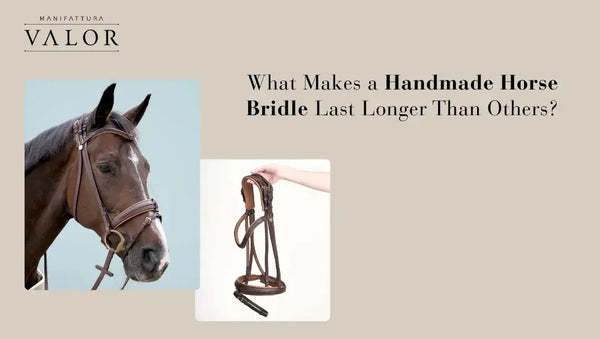
The properly designed leather horse lead is not only durable but also provides other characteristics that make it easier to handle the horse without unnecessary pulling or jerking.
Additionally, the quality of the leather used to manufacture the lead reins is important in terms of performance. The premium leather is comfortable with regular use while maintaining the strength required for horse handling. It does not become stiff and unresponsive but flexible.
This is why experienced riders always judge horse handling equipment on the basis of performance, and not on how the item looks. Choosing reliable equestrian equipment makes everyday handling safer and more consistent.
The Biggest Lead Rein Mistakes and Their Real Consequences
Minor details can have a gradual impact on how the horse reacts to handling procedures.
Examples of the most common errors include:
-
Leading with twisted leather.
-
Reining using an object with weakened stitching or damaged attachment point.
-
Selecting hardware that is too weighty for the horse.
-
Creating slack while leading.
-
Wrap the rein on your hand rather than folding the remainder in an appropriate way.
Errors in leading a horse can lead to bad timing and broken cues from an inconsistent amount of pressure being placed on the lead. When this happens, the horse will also be unable to respond properly to the cues given by the owner; this is not because he does not want to listen. The miscommunication is because there is no clear cue given to him.
The positive thing is that the issues above can be avoided. Check your horse lead rope for twist, stitch weakness, worn leather, rivets, or broken hardware.
How Leather Types Affect Performance and Durability
The leather horse lead rein plays an important role in defining its longevity and elasticity.
Premium quality leather lead rope starts with the selection of durable leather that will hold up well through continued use. Vegetable tanning is one of the most popular due to the combination of durability and flexibility with increased comfort over time.
Structure is very important as well. Good stitching will ensure the longevity of the rein, while burnishing of the edges will increase comfort and decrease possible wear and tear from continued use.
Hardware components need to be balanced as well, with a good design allowing for easy and smooth operation without any unnecessary weight or movement of the snap in relation to the halter.
Of course, materials play an important role; however, dimensions are equally important. Investing in durable equestrian gear means fewer replacements and more dependable performance over time.
Choosing the Right Length and Weight for Better Control
The perfect lead rein would largely depend on what kind of job you have in mind for your horse.
Shorter reins enable you to maintain better control of your horse's head position as you lead him around the barn, put him on the trailer, or take him to the vet. With long reins, you can allow your horse to move freely while still allowing you to maintain control of your horse.
But length is not the sole factor that determines an effective rein. The weight of the rein makes all the difference.
Reins that aren't weighted properly will cause the reins to move up and down as you ride, giving your horse incorrect cues. On the other hand, heavy reins can put a lot of stress on your halter while your horse is stationary.
The right weight in leather reins provides excellent support and does not require frequent adjustment from the handler.
Lead Rein and Halter Pairing: Avoiding Common Horse Discomfort
No matter how good the lead rein is, it won’t do its job well if attached to an improper halter.
The proper horse halter will be secure and will not move while the horse is walking.
In this way, you’ll be able to send cues clearly and consistently without applying additional pressure to the sensitive spots.
There is a difference between nylon and leather horse halters.
The leather horse halter slowly gets into the horse’s shape without losing its form and shape – that is why it is commonly used in everyday riding. The nylon halter horse is very light and strong, and it can be easily cleaned; therefore, it is perfect for rainy days and everyday use. But since it doesn’t change its shape according to the horse’s shape, it becomes really important to fit it right.
Choose either a leather halter or a nylon one and fit it accordingly to avoid discomfort.
When the halter and the rein work together effectively, the handling process will become comfortable for both sides.
Using a Lead Rein for Groundwork: The Three R's of Training
Horse groundwork training prepares the horse to react properly and in a predictable manner prior to riding.
The three 'R's of good groundwork are Rhythm, Response, and Repetition.
Rhythm
Let the rein flow freely with the horse's motion. The rein should not be constantly pulled on, shortened, or adjusted in any way, as this impedes the horse's movement and sends confusing signals.
Response
Use just enough pressure to request the action and release immediately when the horse does so appropriately. The release will teach the horse that he understands what you want.
Repetition
Confidence is built through consistency. When you teach a horse using the same model with every lesson, the horse can master each lesson more quickly. As an example, training a horse with leather reins versus a horse training rope is valid; the reliability of your horse training rope, as part of your horse training equipment, will create an equal experience for the horse in every lesson.
Essential Safety Rules Every Horse Owner Should Follow
The best quality equipment cannot substitute for proper safety techniques. Along with reliable equestrian safety equipment, safe handling habits should always come first.
Here is what you should include in your checklists before leading your horse:
-
Do not loop the lead rein over your hand or your wrist.
-
Roll up the excess length carefully so that it could be easily undone in case of need.
-
Always look over the stitching, buckles, rivets, and snaps before using them.
-
Replace the defective parts immediately.
-
Use the lead rein appropriate for the size and strength of your horse.
-
Give your horse enough room for moving without having the lead rein trailing on the ground.
-
Put on the gloves if there is a need for additional grip and protection.
Proper Care Tips to Extend the Life of Your Equipment
A good-quality lead rein should last for many years; however, it will do so only if you take proper care of it.
After you use your lead rein, make sure to wipe dirt, sweat, and dust off of it before the leather absorbs them. If the lead rein is wet, allow it to dry in a cool, ventilated area away from sun and heat so that it will not dry out and become brittle.
Occasionally apply leather conditioner to your rein to maintain the flexibility of the leather.
When storing your rein, hang it loosely in natural loops; do not fold or twist it.
Properly maintained leather horse tack, as part of quality premium horse tack, lasts for a long time and always serves reliably, comfortably, and looks great.
When to Replace a Lead Rein?
However well you take care of the lead rein, there comes a moment when you should replace it anyway.
It is time to get a new lead rein if:
-
The leather is dry and cracked.
-
There are some loose or broken stitches.
-
Snaps and buckles are rusty, bent, or somehow damaged.
-
The leather stretches and becomes thinner.
-
There are deep cuts, tears, or weak spots in the attachment points.
Using the damaged lead rein means putting yourself at risk of failure while handling it. The pre-use inspection is the key to spotting possible problems in advance and changing the reins.
The Luxury Option Worth Investing In and What to Look For
The premium lead rein is a piece of equipment that will be needed daily; this is one of the pieces of equipment that will give you maximum value.
Rather than looking at decoration, try to find a product that offers increased strength, comfort, and performance.
When purchasing a product, some things you should look out for include:
-
High-quality leather that is well finished.
-
Good stitching throughout the product.
-
Burnished edges that reduce normal wear and tear.
-
Rust-resistant hardware that is well balanced.
-
Good weight for easy handling by your horse.
-
Reparability of the product to make it last longer.
Although premium horse handling equipment and premium horse tack might seem expensive when you purchase them, they have been known to need fewer replacements and to perform more reliably. The fact that they offer more comfort as years go by is also an added advantage.
A good lead rein not only lasts longer but also increases safety and comfort for both you and your horse when handling.