A Complete Guide to Horse Bridle Accessories and Their Benefits

A horse usually tells you when the bridle fit is slightly wrong, long before the leather shows visible wear. The contact becomes uneven. The jaw tightens during transitions. Sweat marks appear inconsistently behind the ears. Small movements start replacing relaxed acceptance.
The problem is often not with the reins, but with what is on them.
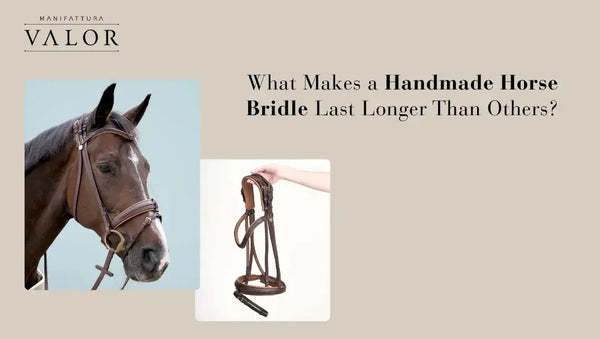
Bridle accessories on horses in the discipline are used for managing contact, pressure, stability, and heat on all the sensitive areas of the head, not for decoration.
Materials are important when using bridle accessories because different types of materials respond differently to work. Leather reacts differently from wool when it gets wet or under tension. Wool compresses when pressure is applied and returns to its original shape. If the construction of a piece of hardware is weak, it will change position after being used frequently.
These factors will likely show up after prolonged use, particularly in horses that have been walked through flat work or dressage or have increased their conditioning time.
What Are Bridle Accessories?
Accessories used on bridles for horses are the smaller functional pieces that assist in how the bridle sits on the horse, as well as how the bridle functions while riding. Accessories assist with the fit of the bridle, reduce friction, assist in stabilising movement, and protect sensitive contact points.
Common examples include:
-
Browbands
-
Bit guards
-
Noseband covers
-
Padding inserts
-
Leather keepers
-
Rein stops
-
Cheekpiece protectors
-
Anatomically shaped crownpiece additions
The quality of these components changes how the tack behaves once the horse starts moving. Loose keepers allow gradual shifting through the ride. Rigid leather creates pressure points after repeated flexion. Poor padding traps heat instead of dispersing it.
The best horse tack accessories usually go unnoticed during work because nothing pulls, twists, overheats, or distracts the horse from the contact.
Types of Horse Bridle Accessories
-
Browbands
A browband has more than just an aesthetic or appearance role on your horse when placed too tightly on the front of the horse's head; it may pull the crown of the bridle forward and rest on or at least close to the top part of the ears of the horse. Horses that are sensitive around their poll will show this quickly by showing signs of tension through their jaw and neck.
Curved or anatomically shaped browbands generally allow cleaner positioning without forcing pressure inward toward the ears.
Material choice matters here. Naturally tanned leather softens gradually with use while still holding structure. Leather with heavy synthetic coating often becomes stiff where the browband flexes repeatedly.
-
Padding and Inserts
More padding does not automatically improve comfort.
Very soft padding tends to collapse under pressure, especially during longer rides. Thick synthetic foam can also hold heat and moisture against the skin instead of allowing airflow.
This is why wool felt remains common in horse comfort tack. Dense felt compresses evenly without flattening completely, so pressure stays more consistent across the contact surface. It also handles moisture differently than synthetic padding, particularly during intensive work or warmer weather.
-
Bit Guards
Bit guards reduce friction and pinching around the corners of the mouth. Younger horses and horses with finer skin often show the difference immediately.
The material needs enough flexibility to move naturally with the bit. Guards that harden over time create additional rubbing instead of preventing it.
Leather Keepers and Small Structural Parts
Among all horse bridle parts and accessories, small leather components are often neglected until they start failing.
Keepers that stretch too easily or stitching that loosens under tension gradually affect rein alignment and cheekpiece stability. The rider notices it as an inconsistency in the contact rather than an obvious tack failure.
Well-made leather bridle accessories maintain shape without becoming rigid. Clean edge finishing also matters because rough edges create friction once sweat and movement are introduced.
Benefits of Using High-Quality Bridle Accessories
The benefits of carefully made horse bridle accessories are usually cumulative rather than immediate.
-
More Stable Contact
When accessories hold their position correctly, rein contact stays quieter through transitions and lateral work. The horse is not compensating for shifting pressure or uneven movement in the bridle.
-
Reduced Pressure Concentration
Anatomically shaped components help distribute pressure more evenly around the poll, forehead, and jaw. This becomes especially important for horses working regularly in collected frames.
-
Better Temperature and Moisture Management
Breathable materials matter during longer sessions. Sweat trapped beneath synthetic padding creates heat buildup and friction, particularly around sensitive skin behind the ears and along the noseband.
Natural fibres handle this differently. Wool absorbs moisture gradually while still allowing airflow through the material structure.
-
Longer Material Performance
Durable horse bridle accessories age differently when the materials are properly selected from the beginning. Full-grain leather develops suppleness through use instead of cracking at stress points. Dense wool retains resilience even after repeated compression.
How Bridle Accessories Improve Horse Comfort
Comfort in tack comes from consistency more than softness.
A horse generally tolerates stable pressure better than pressure that shifts throughout the ride. Uneven tension around the poll or jaw creates small compensations in movement that eventually become visible in the contact.
Comfortable bridle accessories for horses reduce these interruptions by allowing cleaner movement against the skin and coat. Breathable materials also help regulate heat in areas where sweat accumulates quickly under work.
In dressage, a horse will usually show its long term usage of direct connection with your reins by displaying one of the following signs. These are manifestations of resistance that may not be caused by only the bite, but rather discomfort in other parts of the horse's bridled body parts.
Consequently, experienced riders prefer controlling dressage bridle accessories that have balanced construction and less bulk rather than bridles that ultimately lack stability, because they are heavily padded.
Choosing the Right Horse Bridle Accessories
The best horse bridle accessories depend on how the horse moves, sweats, and responds under work.
A few things matter consistently:
-
Anatomical fit around the poll and forehead
-
Leather flexibility after repeated use
-
Breathability during longer rides
-
Padding density and recovery
-
Stitching quality at stress points
-
Hardware weight and balance
-
Resistance to moisture and sweat
Within the horse tack Europe craftsmanship traditions, restraint is often a sign of quality. Good construction tends to look clean rather than overdesigned.
That approach remains visible in bridle accessories Switzerland and Northern Italian leatherwork, where riding equipment developed around durability, repairability, and long-term use instead of seasonal trend changes.
Style and Aesthetics
A well-balanced tack usually looks better because it sits correctly.
A clean browband line, balanced proportions, matte leather finish, and controlled stitching create a quieter visual impression than excessive decoration. The materials also age more naturally. Leather develops a patina where it flexes most. Wool softens slightly at the surface while keeping density underneath.
Good horse riding accessories tend to look more convincing after years of use, not less.
Maintenance and Care Tips
Even high quality horse tack loses stability if the materials are neglected.
A few consistent habits make a noticeable difference:
-
Remove sweat and dust after riding
-
Dry leather naturally away from direct heat
-
Clean wool and felt without aggressive brushing
-
Condition leather lightly instead of saturating it
-
Check stitching and keepers regularly
-
Store tack where air can circulate properly
Over-conditioning weakens leather structure over time. Excess moisture around stitching gradually affects durability, especially in areas exposed to repeated flexion.
Natural materials perform best when they are allowed to retain their original balance of flexibility and structure.
For riders who pay attention to contact and movement, horse bridle accessories are part of the functional system of the bridle, not secondary additions. The quality becomes visible in how quietly the tack performs once the horse begins working.