Horse Riding Equipment That Separates Safe Riders From Risky Ones

Obviously, from afar, it is not really possible to tell whether a rider is safe or risky. Though two riders may be sitting on their horses in the same posture, it is very rare that two horses move so that the rider can distinguish which one is freer.
But the equipment is always involved in handling pressure, friction, moisture, movement, and communication.
Often, those who have been training horses for a long time can spot the signs of the problem before the problem becomes really visible. Even a saddle pad that does not spring back after being compressed, leather that has been distorted unevenly over the buckle, a browband that is causing tension behind the ears, and boots that may be moving a little bit in the stirrup, etc., are some ways in which experienced riders can figure out how their horse is feeling.
These factors affect not just the physical aspect but also the psychological and communication aspects of contact between horse and rider long before they turn into concerns related to safety.
The same principle applies whether you are selecting equipment for yourself or choosing the right gear for a horse. Both rider and horse depend on equipment that can perform consistently under real riding conditions.
Why Most Beginners Buy the Wrong Gear
At first, new riders mostly select their gear just by its appearance, word of mouth from others, or based on what a starter combo offer includes.
This is especially common when shopping for riding gear for women, where visual appeal, trends, and coordinated collections can sometimes receive more attention than fit, support, and long-term performance.
Though the main concern is not the absence of enthusiasm. The problem is the unawareness of how, for example, equipment evolves over time.
If you want to understand the true quality of a material, you first need to use it. For example, leather will change its look and feel with every stretch, sweat, and exposure to weather. The wool fibers will be compressed and raised thousands of times during their life. The stitches will be subjected to repeated pulling in certain expected places. What you may like as comfortable in a tack shop could turn out to be quite different after several months of riding.
That means it ends up being very costly to buy horse riding gear for beginners if the decision is made based on immediate reactions rather than long-term performance.
For instance, the synthetic saddle pad might be super soft at first touch, but over time, it will get denser due to continuous pressure. A cheap and badly made bridle can start to stretch in an irregular manner at the places that are adjusted the most. Even the boots that feel great when you are walking might not be enough to support you when you are riding.
In fact, the biggest errors that you can make are not necessarily those that lead to a total breakdown, because usually they are small things that, over time, can compromise your balance, hinder your communication with the horse, and reduce the horse's comfort.
The Non-Negotiable Safety Equipment Every Rider Must Own
Each riding discipline makes different requirements from horse and rider, though from the equestrian safety gear, some remain universal.
A correctly certified helmet is still the very first and foremost piece of equipment that one should have. In fact, other than it being of a certified brand quality, the fit of the helmet is very important. If a helmet is to fit well, it should be secure without any pressure points or movement, even when the head is turned or tilted.
And a correctly fitted helmet, riding boots are a must as they determine leg stability and the possibility of the foot slipping off the stirrup. Those who are looking out for riding boots for beginners tend to consider the look or the price of the boots, yet the structure of the boot directly affects the lower leg position and consistency in the contact.
In fact, gloves are the item that people even forget about their importance. Well-made gloves reduce muscle fatigue, maintain the sense of touch on the rein even when the weather changes, and, in addition, they can prevent a rider from developing compensating tension in the hands.
If safety equipment is seen as a system, rather than a set of different products, it will function at its best. For instance, the stability you get in one place can often be the reason for stability in another.
Horse Riding Equipment and the Importance of Saddle Fit
Not many equipment affect horse comfort as much as a saddle system.
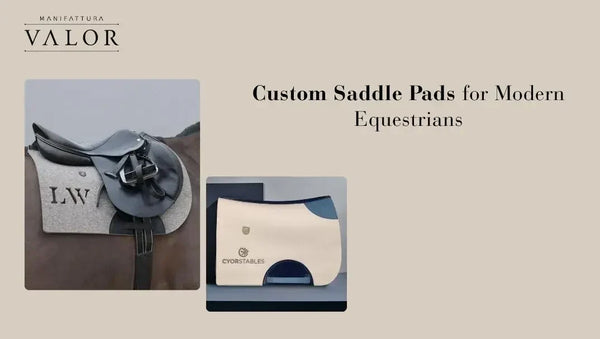
When people discuss saddle fitting, they usually think about the tree width, the shape of the panel, or the type of flocking. Yet, the material that is in contact with the horse and underneath the saddle is equally important.
The pressure under a saddle is never constant. It changes with different gaits, turns, and other movements. Besides, the saddle pad is not there just to be under the saddle; it should also help deal with the changing forces without causing more instability.
Well-constructed saddle pads made from natural wool felt offer several advantages because of the fibre's inherent structure. Wool fibres can compress under load while retaining the ability to recover their shape. This resilience helps maintain a more consistent contact surface throughout repeated use.
The practical signs of a failing saddle pad are often visible before riders notice discomfort. Areas that remain flattened after riding, uneven sweat patterns, increased movement beneath the saddle, or concentrated wear points may indicate that the material is no longer distributing pressure effectively.
Besides, natural wool helps the body stay at the right temperature. Instead of holding heat tightly to the horse's back, it makes it easier for moisture and air to pass through the fabric, which is one of the ways in which it contributes to keeping a relatively constant environment under the saddle while the horse is working.
The goal is not softness alone. It is controlled support, recovery, and consistency.
From Helmet to Boots: Building a Functional Equipment System
Effective equipment should work as a connected system.
A rider's essential setup generally includes:
-
Certified helmet
-
Riding boots
-
Gloves
-
Appropriate riding apparel
-
Saddle
-
Saddle pad
-
Girth
-
Horse bridle
-
Reins
Yet ownership is only part of the equation.
The relationship between these components matters equally. A correctly fitted saddle combined with an unstable pad can create movement. A well-designed bridle fitted with inappropriate sizing can compromise comfort. Quality materials lose much of their value when integration and fit are overlooked.
Experienced riders often spend more time evaluating compatibility than expanding their collection of equestrian equipment.
Horse Tack Essentials That Improve Control and Communication
The best tack supports communication without drawing attention to itself.
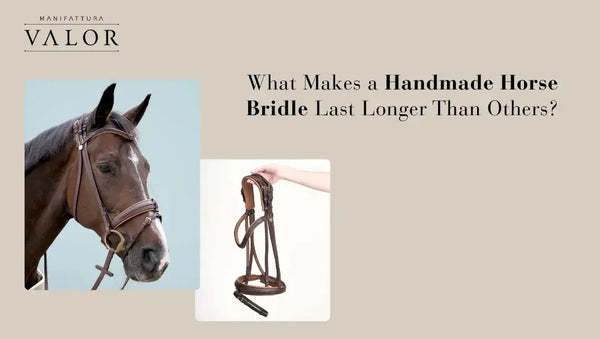
A properly fitted horse bridle should provide stability while allowing freedom around sensitive anatomical areas. This is where material behaviour becomes important.
Leather, which is tanned naturally, becomes softer and more flexible over time without compromising its strength and durability. The contrast is clear when comparing leather to other materials that get easily soft and loose the form. Leather fashioned in a thoughtful way quite literally adjusts itself to the user while continuing to function equally. One of the impacts here, stable contact and better durability, is a result of this process.
Details count. The finishing of the edges affects the level of comfort of the horse's skin in contact. Besides that, the quality of making the stitches plays a role in the trustworthiness that lasts for a long time. The spot of the hardware can even affect balance and adjustment.
The exact condition holds true for browbands for horses, too. Although usually thought of as just decorative items, browbands have a hand in bridle positioning, plus other parts. A browband that is made in the wrong size will cause pressure to the head and can be uncomfortable for the ears and the poll area.
Good quality saddlery will not just disregard the passage of time. Instead, it will show wear, which adds charm, without a drop in performance.
What Experienced Riders Always Check Before Buying Any Equipment
Experienced horse riders seldom start with a question about whether a product looks impressive.
On the contrary, their first concern is to see if the material is made of top-quality.
For them, checking leather means looking at the fibre thickness, edge treatment, stitch uniformity, and leather flexibility. Usually, thick leather changes color beautifully as it ages, whereas cheap leather is bound to show its weaknesses through stretching, cracking, and uneven wear.
For wool products, apart from softness, they try to guess how the material will hold up over time. Wool that is very easily compressed may have difficulty in springing back after use. But Wool, which has adequate density and good structure, usually retains its functionality for a prolonged time.
When it comes to purchasing horse riding equipment, experienced buyers will probably ask straightforward and practical questions like:
-
What kind of wear and tear would one expect from this material after hundreds of hours of use?
-
How does this material handle exposure to water and varying temperatures?
-
Is it capable of keeping its shape and work well when being psychologically stressed over and over again?
-
Does the actual shape or design take into consideration the horse's anatomy?
Usually, these types of questions are able to expose much more than the product advertisements could.
Smart Gear Upgrades That Build Long-Term Confidence
Confidence is frequently a byproduct of regularity.
Typically, as riders become more proficient, their changes become more focused. Instead of doing a full reset, they simply upgrade the parts that have the biggest impact on comfort and interaction. Rather than chasing trends, experienced riders often invest in premium horse riding gear that delivers better durability, fit, and performance over the years of regular use.
Common improvements include:
-
Better-fitting saddle pads with greater structural resilience
-
Higher-quality leather tack
-
Anatomically informed bridle designs
-
More supportive boots
-
Practical horse riding accessories that improve daily handling and care
People are beginning to pay more attention to things that are dependable rather than new ones.
This way, not only the horse but also the rider is getting something out of it, as dependable equipment leads to a more dependable riding experience.
Where Most Riders Waste Money And What To Buy Instead
One of the biggest blunders is making decorative upgrades while ignoring the functional ones.
Beautifying elements grab the eye and stand out, but rarely do they solve the issues that really affect comfort, communication, or durability.
It is usually a wiser approach to spend money on those items that are subjected to constant use and pressure:
-
Good quality saddle pads
-
Reliable helmets
-
Top-quality leather tack
-
Rugged riding boots
Generally, items that are designed with the knowledge of materials tend to keep their functionality long after the trendy, fashion-driven alternatives have been discarded.
Frequently, the most rewarding purchase is the one that keeps delivering its dependable performance even after many years.
Your First Horse Riding Equipment Kit Built for Safety and Performance
A well-considered set of horse riding gear for beginners is more about noticing things than just buying a lot.
Each part has to present a movement, pressure, moisture, and communication system. The best items are not necessarily the most complicated. How well they keep on fulfilling their function through regular use is the criterion.
If it is a matter of purchasing the first bridle, considering high quality horse riding products, or even stocking up a tack room with an entire assortment of horse equipment, the guiding principle remains unchanged: to choose materials and workmanship that honor function above appearance.
Good equipment is seldom self-promoting.
It contentedly offers the duo of horse and rider the ability to carry out their work in an enhanced manner, equaling less discomfort, better understanding, and elevated assurance.