Which Horse Bridles Suit Different Riding Disciplines?

You tack up for a flatwork lesson on Saturday, then take the same horse to a jumping clinic the next weekend. The bridle that suited the first session may not suit the second. Noseband rules, rein grip and headpiece shape all change when the work changes.
How Do Horse Bridles Differ Across Riding Disciplines?
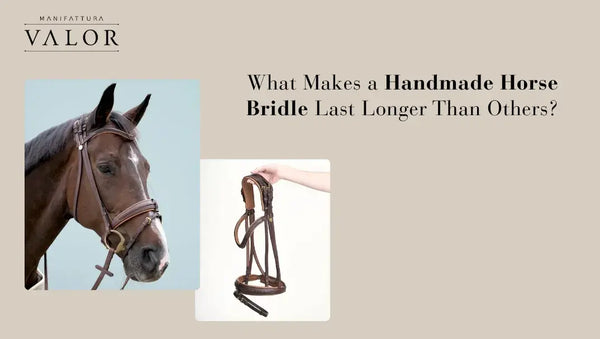
Most English riding bridles share the same parts: headpiece, browband, throatlash, cheekpieces, noseband and reins. What changes between disciplines is how each part is shaped and what the rider needs from it.
-
Flatwork needs a quiet fit and steady contact.
-
Jumping needs security at speed and grip on wet reins.
-
Hacking needs comfort and simple adjustment.
The main types of horse bridles are the snaffle, the double bridle and the bitless bridle. A snaffle with a plain cavesson behaves very differently from the same snaffle with a grackle, so the noseband often tells you more than the bridle’s name.
Rules also limit your choice. Competition bridle requirements differ between federations and levels, and a combination that is legal in a jumping class may be refused in a dressage test. Read your national rulebook before each season.
Which Bridle Features Matter Most for Dressage?
Dressage horse bridles are usually snaffles at the lower levels. The double bridle appears at higher levels where the rules allow it. The aim is a still, even head, so the bridle should not shift during the test.
These dressage bridle features are worth checking first:
-
Headpiece: an anatomical or padded crown with an ear cut-out keeps leather off the base of the ear.
-
Noseband: many federations allow the cavesson, flash and drop but restrict others, so confirm what your level permits.
-
Padding: it should lie smooth, with no stitching ridge over the nasal bone.
-
Reins: narrow enough to hold in a closed, relaxed hand.
Check the stitching at the bit ends before every competition.
What Should Riders Consider When Choosing Show Jumping Bridles?
Show jumping horse bridles must stay in place through take-off, landing and the turn that follows. Fit comes before appearance. A browband that is too short pulls the headpiece forward onto the ears, and you will notice it quickly over fences.
The noseband is where jumping bridles most often differ from flatwork ones. The grackle is widely used in jumping, though you should confirm it is allowed in your class. Its cross-strap should sit on the nasal bone, clear of the soft tissue below.
Reins are the second decision. Rubber-covered or laced reins give grip when the horse sweats or the weather turns. Fit martingale attachments and rein stops so they cannot catch on the bridle.
Include the bridle in your wider equestrian bridle equipment checks, alongside girth and stirrup leathers. Look at billets, keepers and stitched joins for cracking or thinning before each event.
How Do Bridle Requirements Differ for Eventing and Cross-Country?
Eventing horse bridles must work across three phases with different rules. Some riders keep one bridle for dressage and another for the jumping phases. Others use a single bridle that is acceptable in all three. Two bridles cost more, but each can be set up for its job.
Cross-country puts the most strain on a bridle. Mud, water and sweat get into the stitching and buckles, and wet leather reins are slippery in cold hands. Synthetic webbing dries faster than leather and needs less upkeep after a wet day, though some riders prefer the feel of leather.
Check permitted nosebands and bits for each phase separately. Before the cross-country, inspect the billets and cheekpiece stitching, and look for bent or sprung buckles.
What Should You Know About Bridles for Leisure Riding?
Horse riding bridles for hacking can be simpler. There are no judges, and the priorities are comfort and security. A plain snaffle with a cavesson covers most needs.
The common problem is poor fit that goes unnoticed. After a ride, look for rubbing behind the ears, under the cheekpieces and along the nasal bone. A mark in the same place each time means the bridle needs adjusting or replacing.
Some leisure riders use bitless bridles. These shift pressure to the nose and poll, so they need careful fitting and regular checking, just like a bitted bridle.
Choose reins you can hold in cold or wet conditions. They should also be long enough that you can shorten them quickly if the horse spooks.
How Do Noseband and Headpiece Designs Vary by Riding Style?
A horse bridle noseband changes how a bridle behaves more than any other part. Here is how the common styles differ:
-
Cavesson: sits about two fingers below the cheekbone, with room for two fingers underneath.
-
Flash: adds a strap below the bit.
-
Drop: sits lower on the nose.
-
Grackle: crosses over the nasal bone.
Whichever you use, keep it clear of the soft tissue near the nostrils.
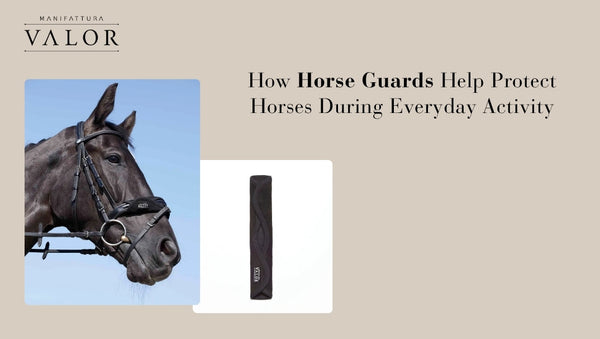
Horse bridle headpiece design varies as well. Flat, narrow crowns are traditional. Padded anatomical headpieces spread pressure over a wider area and keep leather away from the ears. With either, the throatlash should leave about four fingers of room so the horse can flex and breathe easily.
A dressage rider may choose a padded noseband and anatomical crown for a quiet fit. A cross-country rider may prefer a sturdy, simple design that is easy to inspect and quick to dry. Your discipline gives you a starting point, and your horse’s head shape decides the rest.
How to Choose a Suitable Bridle for Your Horse and Riding Goals
Start with your horse’s head. Measure from the corner of the lips over the poll and compare it with the maker’s sizing chart, since cob, full and oversize fittings vary between brands. Then check browband length and the cheekpiece adjustment range.
Next, match the bridle to your main use. If you compete in one discipline, choose horse bridles that meet its rules and handle its demands. If you do a mix, a well-fitted snaffle with a plain cavesson is often the most flexible base.
Material should follow use. Leather needs regular cleaning and conditioning, while synthetic options cope better with mud and water. Check the stitching and hardware before buying either.
Before your next purchase, tack up on your current bridle and note where it rubs, gaps or shifts. Take that list to your discipline’s rulebook.