Why Do Horse Rugs Rub and How Can You Prevent It Early?

A horse rugs can look correctly positioned when a horse is standing quietly and still create friction once the horse begins to move.
The difference is often small: a chest fastening sitting slightly too firmly, a shoulder seam shifting with each stride, or fabric pulling backwards as the horse lowers its head. Repeated hundreds or thousands of times, these movements can turn a minor fitting issue into coat damage and skin sensitivity.
Understanding why do horse rugs rub therefore requires looking beyond the rug's size. Fit, construction, material behaviour, moisture and the horse's anatomy all influence what happens beneath the fabric.
What Causes Horse Rugs to Rub in the First Place?
Horse rug rubbing is essentially a repeated interaction between textile, coat and skin. Friction becomes problematic when the rug does not remain sufficiently stable or when pressure becomes concentrated in one area.
Movement plays a crucial role in this. Movement of the shoulder blade varies notably during walking, trotting, and galloping of the horse. The neck keeps changing position continuously, affecting the shape and tension of the chest and shoulders. A rug, which restricts this movement or rubs against movement, causes constant abrasion.
The issue may be subtle at first. Flattened hair, a slightly dull patch or increased sensitivity during grooming can appear before an obvious sore develops.
Why Poor Rug Fit Creates Friction Around the Shoulders
Shoulder fit deserves particular attention because the area is constantly moving beneath the rug.
A rug that is too tight across the chest can pull against the front of the shoulders. One that is too loose may shift backwards during turnout, repeatedly dragging the same section of fabric across the coat. Excess material can create folds, while insufficient freedom can increase tension around seams and fastenings.
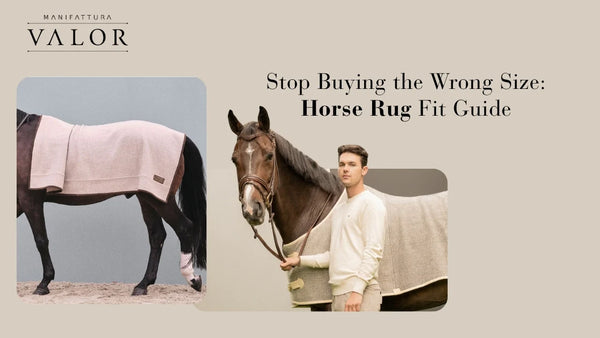
This is why a useful horse rug fit guide should consider more than back length. Chest width, wither clearance, shoulder freedom, rug balance and the behaviour of the closures all matter. Horse rug fit is therefore an important part of preventing unnecessary friction.
A well-considered pattern distributes tension rather than concentrating it at one fastening or seam.
Common Areas Where Horse Rug Rubbing Usually Appears
Certain areas reveal fitting problems earlier than others.
-
Shoulders: Frequent movement makes the coat particularly vulnerable to repeated textile friction.
-
Withers: Pressure or downward pull can concentrate contact around the highest point of the back.
-
Chest: Tight closures, seams or excessive tension can create localised rubbing.
-
Behind the elbows: Movement and folds can increase friction in this already mobile area.
-
Along the topline: A poorly balanced rug may move repeatedly rather than staying centred.
Horse rug shoulder rubs and horse rug rubbing shoulders are especially common because the fabric must accommodate substantial movement while remaining stable. Similar concerns apply to horse rug rubbing withers and horse rug rubbing chest, where pressure can become concentrated if the pattern or adjustment is incorrect.
How Moisture, Sweat and Dirt Can Make Rug Rubbing Worse
Friction does not just exist on its own.
A horse that has worked, walked, or laid down on a cold surface in variable temperatures will get hot and moist under its blanket. Sweat alters the condition of the hair and skin, and dirt and dry sweat can create an uneven surface.
The result is an environment in which repeated movement becomes more abrasive.
Breathability also has a practical role that goes beyond cooling the horse. Wool made from natural fibers has moisture absorption due to its fiber structure while still being able to keep the warmth and provide ventilation. Manifattura VALOR states that its pure wool is breathable and regulates temperature, as well as wicking moisture.
The important consideration is not simply whether a textile feels soft when new. It is how the material behaves after hours of contact, movement and changing moisture levels.
How Rug Material and Construction Affect Your Horse's Comfort
Material and construction work together.
In architectural context, a fabric can have a technological toughness, but nonetheless create a tactile discomfort due to its weight, stiffness or recovery not being well-matched with the movement of the horse.
In a similar manner, a soft material does not equate to cosiness of the whole rug if it is constantly shifting. Wool provides an ideal combination of thermal insulation and moisture-wicking ability. Dense wool fabric retains its shape and doesn't simply compress permanently.
Construction determines how those properties are used. Seam placement, edge finishing, fastening position, panel shaping and overall balance influence how forces travel through the rug.
This is where craftsmanship becomes functional rather than decorative. A carefully developed pattern can allow the textile to move with the horse instead of repeatedly moving against it.
Early Signs of Rug Rubbing You Should Never Ignore
Visible bald patches are not the first warning.
Pay attention to changes that appear before the skin is damaged:
-
flattened or broken hair in consistent locations
-
sensitivity when grooming beneath the rug
-
recurring dampness around the shoulders or chest
-
a horse becoming unsettled when being rugged
-
redness or warmth at contact points
-
small areas of coat wear that return after repeated rug use
A recurring mark deserves investigation rather than simply being treated and covered again. The cause may be fit, moisture, construction or a combination of all three.
How to Prevent Horse Rug Rubs Before They Become Serious
Knowing how to stop a horse rug from rubbing starts with assessing the rug as it behaves on the horse, not only how it looks in the stable.
Check that the shoulders can move freely, the chest is not under excessive tension and the rug remains balanced when the horse lowers its head and moves naturally. Look beneath the rug regularly, particularly after exercise, turnout and changes in weather. These checks can help prevent horse rug sores before minor coat damage develops into a more significant skin problem.
For horses prone to horse rug rubs, consider:
-
Reviewing the fit first. Changing rugs without addressing the underlying pattern or proportions rarely solves recurring friction.
-
Inspecting contact areas. Check the shoulders, withers, chest and behind the elbows for early coat changes.
-
Managing moisture. Avoid placing a rug over a horse that is still significantly wet from work.
-
Keeping textiles clean. Accumulated sweat, dust and debris alter the contact surface.
-
Considering material behaviour. Breathability, density, flexibility and recovery matter over prolonged wear.
-
Checking construction. Rough edges, misplaced seams and poorly positioned fastenings can create concentrated friction.
The objective is not simply to find a rug that feels soft in the hand. It is to create a stable, breathable contact environment that accommodates the horse's movement without repeatedly stressing the same areas.
Comfortable Horse Rugs Begin With Better Interaction
Preventing rubbing is ultimately an exercise in observation.
Comfortable horse rugs should remain sufficiently stable while allowing the shoulders, neck and back to move naturally. Their textile should manage heat and moisture appropriately, while their construction should distribute tension rather than concentrate it.
This is also why horse rug friction cannot be separated from material choice and anatomical design. Manifattura VALOR works with pure virgin wool and traditional textile processes, including wool fabrics produced through established manufacturing techniques, with an emphasis on natural material behaviour and long-term function.
The most useful question is therefore not simply whether a rug is warm enough or durable enough.
It is whether the rug remains comfortable after hours of movement, changing temperature, moisture and repeated use.